
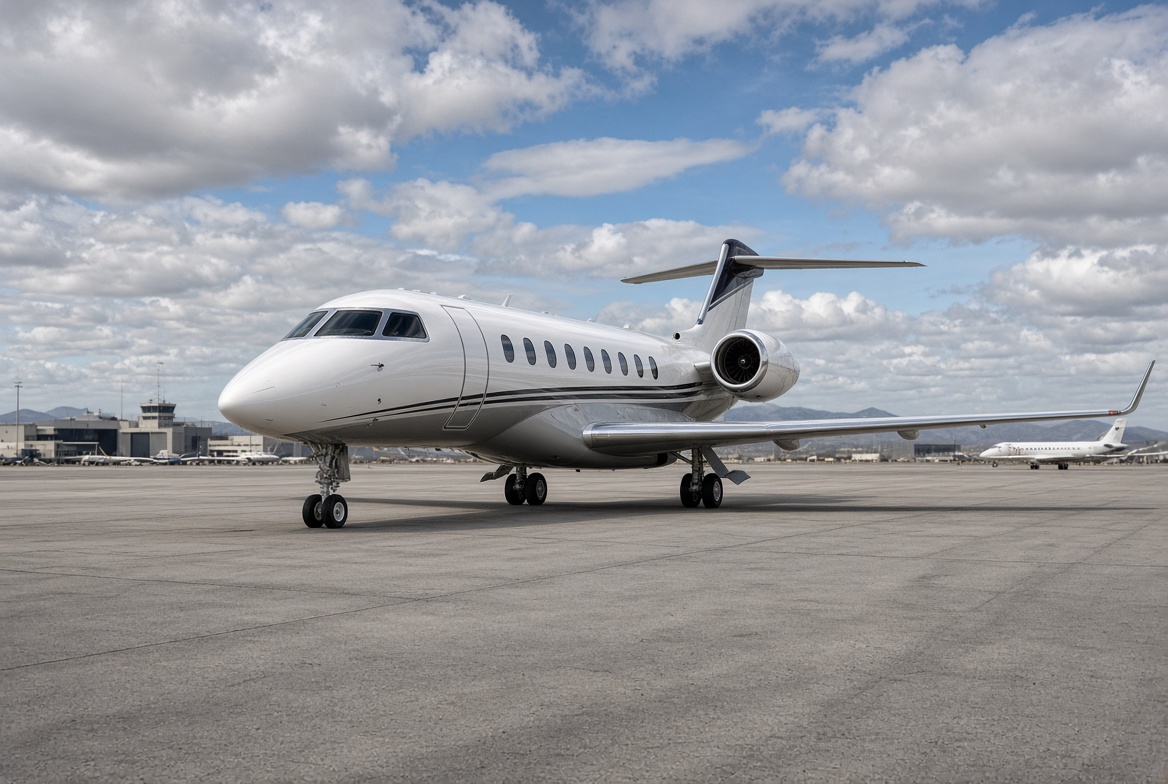
The main types of private jets are very light jets, light jets, midsize jets, super-midsize jets, large-cabin jets and ultra-long-range jets, and many buyers also weigh turboprops as an alternative. Each step up adds cabin space, range and speed, along with higher acquisition and operating costs and the need for longer runways. The right category is the smallest one that flies your typical trip, with your usual passenger load, comfortably and nonstop most of the time.
Below is a practical guide to each category, written from a buyer’s point of view. Figures are general and vary by model, year, configuration and conditions, so treat them as a starting point for a mission conversation rather than a spec sheet.
Types of Private Jets at a Glance
| Category | Typical passengers | Typical mission | Example models |
|---|---|---|---|
| Turboprop (alternative) | 4 to 9 | Regional trips, short or unpaved runways | Pilatus PC-12, Daher TBM series, King Air |
| Very light jet | 4 to 6 | Short regional hops, often owner-flown | Cirrus Vision SF50, HondaJet, Embraer Phenom 100 |
| Light jet | 5 to 8 | Regional to roughly two- to three-hour legs | Citation CJ3/CJ4, Embraer Phenom 300 |
| Midsize jet | 7 to 9 | Longer domestic legs with a stand-up cabin on many models | Citation XLS series, Citation Latitude, Learjet 60 |
| Super-midsize jet | 8 to 10 | Coast-to-coast nonstop on many models | Challenger 350/3500, Citation Longitude, Gulfstream G280, Praetor 600 |
| Large-cabin jet | 10 to 16 | Intercontinental with a full galley and lavatory | Gulfstream G450/G500, Falcon 900 series, Challenger 650 |
| Ultra-long-range jet | 12 to 19 | Very long nonstop international legs | Gulfstream G650/G700, Bombardier Global 7500 |
Very Light Jets
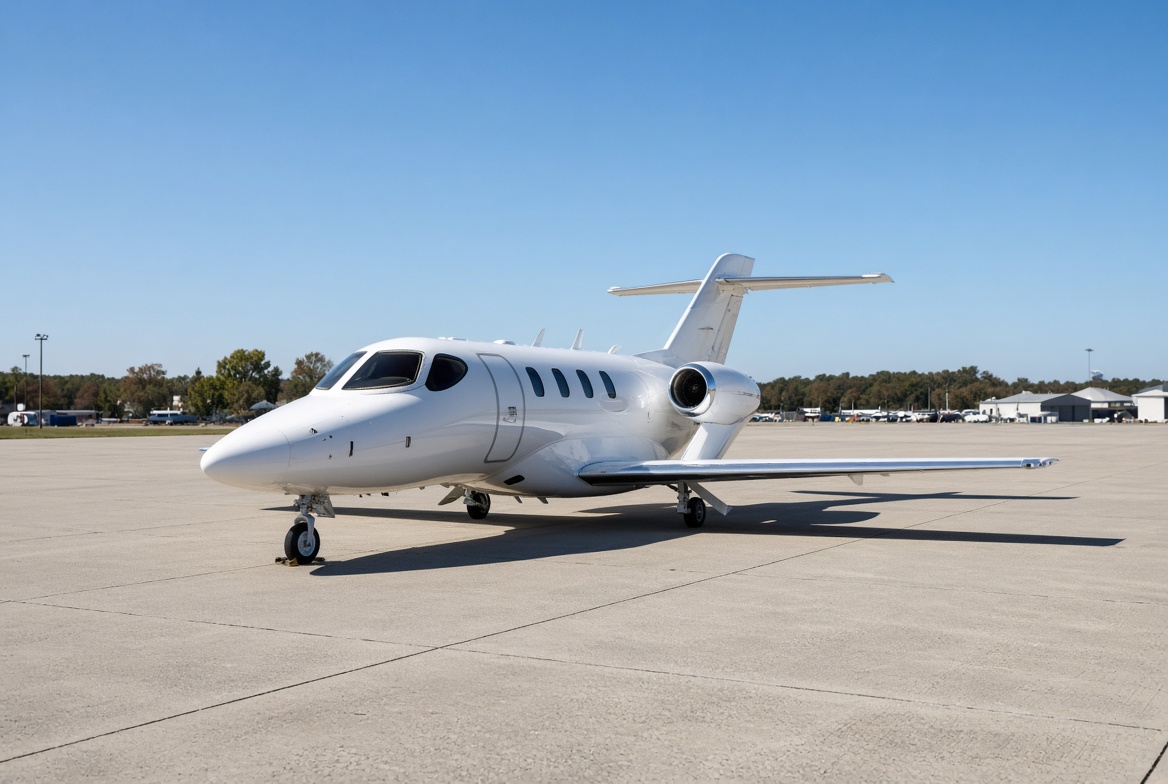 Very light jets (VLJs) are the entry point to jet ownership. They are designed for efficiency on shorter legs and are often flown by their owners, which keeps crew costs down. The Cirrus Vision SF50 is a single-engine jet with a whole-airframe parachute system; the HondaJet and Phenom 100 are twin-engine VLJs. Cabins are compact, and range and baggage are limited once the seats are full, but for a business owner covering a regional territory, a VLJ can replace a lot of airline connections.
Who it fits: owner-pilots stepping up from high-performance pistons or turboprops, and travelers who usually fly with two to four people.
Light Jets
Light jets add range, speed and more cabin than a VLJ while still working into many smaller airports. Models like the Citation CJ3 and the Phenom 300 are some of the most popular business jets in the pre-owned market, so buyers usually have plenty of choice. Many light jets can be certified for single-pilot operation, though insurers and mission demands often push owners toward two pilots. You can read more in our post on light jet brokerage.
Who it fits: regional business travel, family trips of a few hours, and owners who want jet speed without a large-cabin budget.
Midsize Jets
Midsize jets are where many travelers first get a cabin they can move around in, with a stand-up aisle on many models, a proper lavatory and room to work. Range covers most domestic trips. The trade-offs are higher fuel burn, a professional crew in most operations and longer runway needs at hot or high airports. For more detail, see our guide to midsize jet brokerage.
Who it fits: corporate teams and families who regularly fly six or more people on longer domestic legs.
Super-Midsize Jets
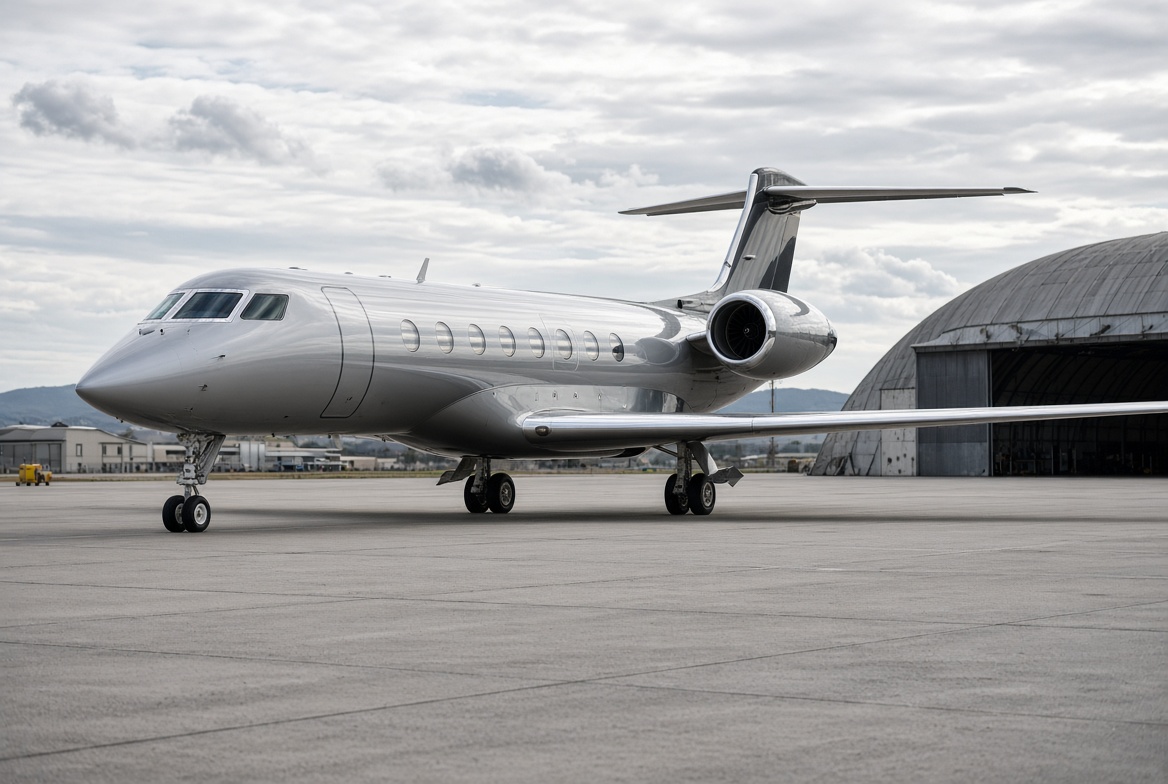
Super-midsize jets have become one of the most sought-after categories because they deliver much of a large-cabin experience, with a wide, flat-floor cabin and many models able to fly coast to coast nonstop, at a lower operating cost than larger jets. The Challenger 350/3500, Citation Longitude and Gulfstream G280 are popular examples. Strong demand also means good aircraft can trade quickly, so preparation and fast decisions matter when one comes to market.
Who it fits: frequent transcontinental travel, and buyers who want the comfort of a big cabin without the cost of an intercontinental jet.
Large-Cabin Jets
Large-cabin jets bring intercontinental range, multiple cabin zones, a full galley and, often, the ability to configure sleeping space. They are typically flown by professional crews and cared for by structured maintenance programs. For owners who regularly cross oceans with a full cabin, they are often the smallest aircraft that does the job without fuel stops.
Who it fits: international business travel, larger groups and long-duration missions.
Ultra-Long-Range Jets
At the top of the market, ultra-long-range jets connect distant city pairs nonstop with the highest levels of cabin comfort. The Gulfstream G650 and G700 and the Bombardier Global 7500 lead this group. Acquisition, operating and maintenance costs are the highest of any category, and the buyer pool is smaller, which affects both negotiation and resale planning.
Don’t Rule Out a Turboprop
A turboprop isn’t a jet, but it belongs in many jet buyers’ comparisons. Aircraft such as the Pilatus PC-12 and the TBM series can use shorter and rougher runways, often burn less fuel, and on trips of a few hundred miles the time difference against a light jet can be smaller than expected. For more, read our post on the benefits of turboprop brokerage expertise.
How to Choose Between the Types of Private Jets
Start with your missions, not with a model you admire. Ask:
- What is your typical trip? Size the aircraft for the flights you take most of the time, not the one trip a year you could charter.
- How many people usually fly, and with how much baggage? Range figures are often quoted with light loads.
- Which airports do you use? Short runways, high elevation and summer heat cut performance.
- Will you fly it yourself? Owner-flown operations favor VLJs, light jets and turboprops, and insurance requirements matter.
- What is your total budget? Include crew, hangar, insurance, maintenance programs and upcoming inspections, not only the purchase price.
- What is your exit plan? Popular models with large fleets are usually easier to resell.
Our aircraft acquisition service starts exactly here, with how you fly, so the search narrows to the right category before you spend time on listings.
Frequently Asked Questions
What is the smallest type of private jet?
Very light jets are the smallest category. The Cirrus Vision SF50, a single-engine jet, is one of the best-known examples, alongside twin-engine VLJs such as the HondaJet and Phenom 100.
What is the difference between a midsize and a super-midsize jet?
Super-midsize jets generally offer a wider, taller cabin with a flat floor and more range, with many models able to fly coast to coast nonstop. Midsize jets are a step down in cabin size and range, and usually in operating cost.
Which type of private jet is best for a first-time owner?
It depends on the mission, but many first-time owners start with a very light jet, a light jet or a turboprop, because these offer lower operating costs and, in some cases, the option to fly themselves.
Is a turboprop cheaper to operate than a light jet?
Often, on shorter trips, because turboprops typically burn less fuel and can use smaller airports. The answer depends on the specific models, your trip lengths and how you operate.
Find the Right Category for How You Fly
Knowing the types of private jets is the first step; matching one to your missions, budget and exit plan is where a buyer’s broker earns their keep. Through our aircraft acquisition services, Arcadia Jets helps buyers compare categories and specific aircraft on value, records and upcoming maintenance, including off-market options. Browse current aircraft listings, or call (888) 660-6511 to talk through your mission.