
Aircraft ownership often begins with excitement. Buyers imagine the freedom, efficiency, and flexibility that come with having an aircraft available when they need it. Yet the process of selecting and purchasing an aircraft is considerably more complex than many first-time buyers expect. While online listings make it easy to compare models and pricing, successful aircraft acquisition requires a deeper understanding of mission requirements, market conditions, maintenance history, ownership costs, and transaction strategy.
At Arcadia Jets, we frequently remind clients that purchasing an aircraft is not simply about finding an airplane. It is about finding the right airplane. The distinction may sound subtle, but it often determines whether ownership becomes a rewarding experience or an expensive lesson. A well-planned aircraft acquisition focuses on long-term value, operational suitability, and informed decision-making rather than reacting to the first attractive opportunity that appears on the market.
 Why Aircraft Acquisition Starts With the Mission
Many buyers begin their search with a specific aircraft model already in mind. They may have flown on one, received a recommendation from a colleague, or developed an interest in a particular aircraft years earlier. While those preferences are understandable, they do not always align with actual operational needs.
A successful aircraft acquisition begins by defining the mission. Questions about passenger capacity, range requirements, airport accessibility, baggage needs, operating budgets, and future growth plans often reveal important considerations that influence aircraft selection. A buyer focused on regional business travel may require a very different aircraft than someone planning frequent cross-country trips or international operations.
By focusing on the mission first, buyers can evaluate aircraft objectively and avoid purchasing capabilities they may never use while ensuring they do not overlook features that will become important over time.
Understanding the Aircraft Acquisition Process
The aircraft acquisition process involves significantly more than identifying an aircraft and negotiating a purchase price. Once potential candidates have been identified, buyers must evaluate market value, maintenance records, ownership history, inspection status, avionics configuration, and overall condition.
Each stage introduces new information that can influence the decision-making process. What appears to be a strong opportunity initially may become less attractive after reviewing maintenance history. Conversely, an aircraft that seems expensive at first glance may ultimately represent greater long-term value because of its condition, documentation, and future maintenance outlook.
An organized acquisition process helps buyers evaluate opportunities consistently rather than relying on assumptions or emotions. This disciplined approach often leads to better outcomes and fewer surprises after closing.
The Importance of Market Knowledge
One of the biggest challenges buyers face is determining whether an aircraft is priced appropriately. Asking prices are easy to find. Understanding true market value is considerably more difficult.
Aircraft values are influenced by numerous variables including maintenance status, total time, avionics upgrades, engine programs, cosmetic condition, and market demand. Two aircraft with similar specifications may command very different prices based on factors that are not immediately visible in a listing.
This is where market knowledge becomes critical. Understanding current inventory levels, buyer demand, and recent transaction activity provides valuable context when evaluating opportunities. Rather than focusing solely on price, informed buyers evaluate overall value and future ownership implications.
Due Diligence Protects Buyers
Aircraft acquisitions involve substantial financial commitments, which makes due diligence one of the most important stages of the process. Buyers must understand exactly what they are purchasing before moving forward.
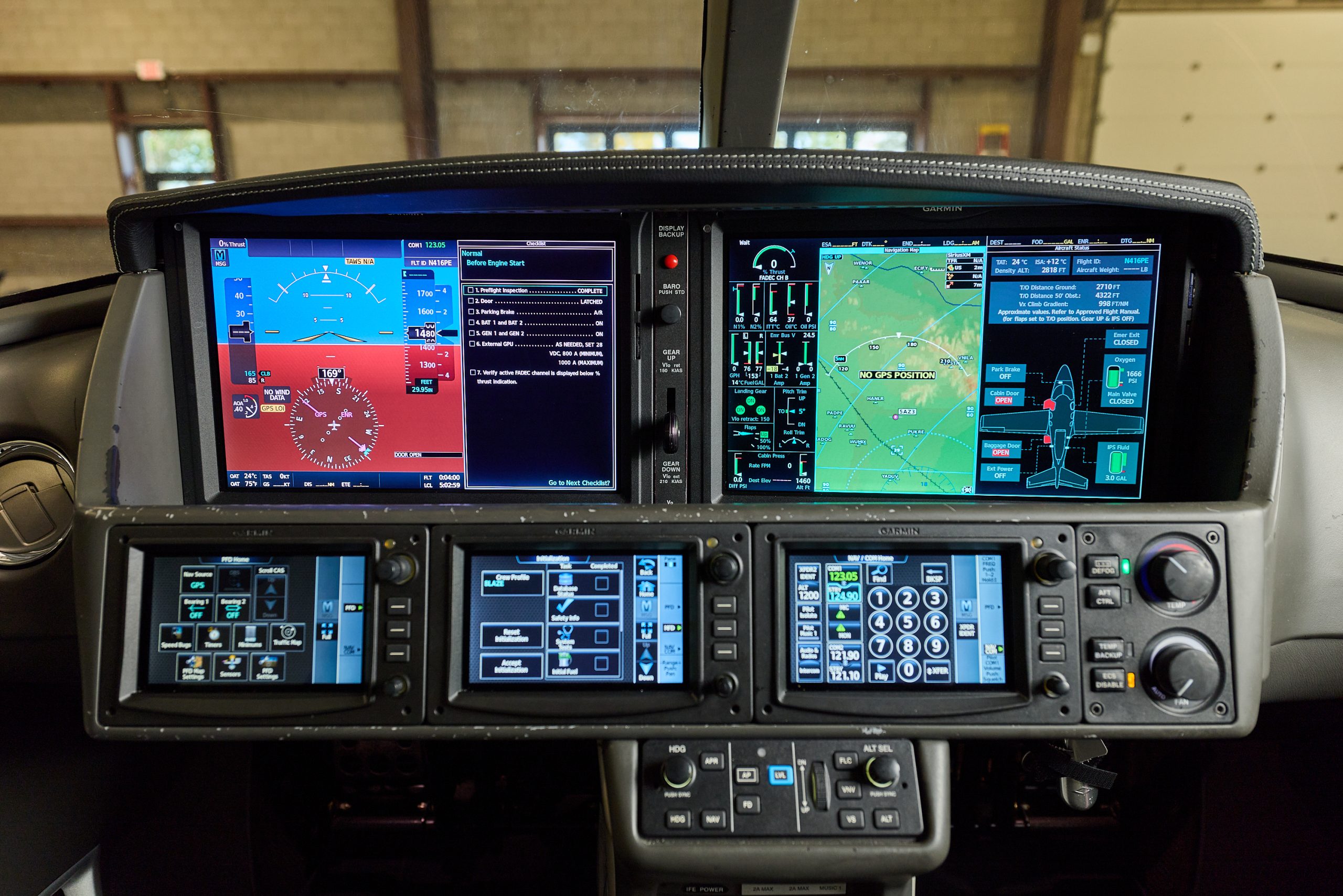
This often involves reviewing maintenance records, logbooks, ownership documentation, inspection history, operational records, and the advertised equipment and specifications listed for the aircraft. Confirming that the avionics, interior features, equipment, programs, and other advertised specifications are accurate helps ensure the buyer is purchasing the aircraft with the capabilities and features represented in the listing.
A thorough due diligence process helps buyers identify potential concerns early and make decisions based on facts rather than assumptions. It also provides the foundation for productive negotiations when issues are discovered during the review process.
 Why Pre-Purchase Inspections Matter
Even the most complete records cannot replace a comprehensive pre-purchase inspection. An inspection provides an independent evaluation of the aircraft’s current condition and often reveals information that may not be obvious from documentation alone.
Inspection findings frequently influence negotiations and may affect the final terms of the transaction. However, buyers should remember that the purpose of an inspection is not to eliminate every aircraft from consideration. Every aircraft has maintenance items and imperfections. The key is understanding which findings are routine and which represent meaningful concerns.
Experienced buyers view inspections as opportunities to gain clarity rather than obstacles to closing a transaction.
The Arcadia Jets Approach
At Arcadia Jets, we believe successful aircraft acquisition begins with education and planning. Every client has different goals, operating requirements, and financial considerations. Our role is to help buyers evaluate opportunities objectively while providing the information necessary to make informed decisions.
From defining the mission and evaluating market conditions to coordinating due diligence and navigating negotiations, we help simplify a process that can otherwise become overwhelming. Most importantly, we focus on helping clients acquire aircraft that support their long-term aviation objectives rather than short-term assumptions.
Conclusion
Aircraft acquisition is one of the most significant decisions an owner can make. The right aircraft can improve efficiency, flexibility, and productivity for years to come. The wrong aircraft can create unexpected expenses and operational challenges.
By approaching the process strategically and focusing on mission requirements, market knowledge, due diligence, and long-term value, buyers place themselves in a stronger position to succeed. If you are considering an aircraft acquisition, Arcadia Jets can help you navigate the process with confidence— contact arcadia jets today to discuss your unique aviation goals and identify your ideal market opportunities.